
Creating a home office that balances coziness and productivity can significantly improve your work-from-home experience. Whether you have a dedicated room or a small corner, designing a space that inspires focus and comfort helps you stay motivated throughout the day. In this guide, we’ll walk you through practical tips to create a home office where you can feel comfortable and productive.
Choose the Right Location
The first step in setting up a successful home office is selecting a spot that supports your work needs.
– Find a quiet area: Look for a space that is away from distractions, such as noisy living rooms or kitchen counters.
– Consider natural light: Set up near a window when possible—natural light boosts mood and energy.
– Ensure privacy: A space where you can close the door reduces interruptions and creates a clear boundary between work and home life.
Invest in Comfortable Furniture
Comfort plays a huge role in maintaining focus and avoiding fatigue during work hours.
– Ergonomic chair: Choose a chair that supports your back and encourages good posture.
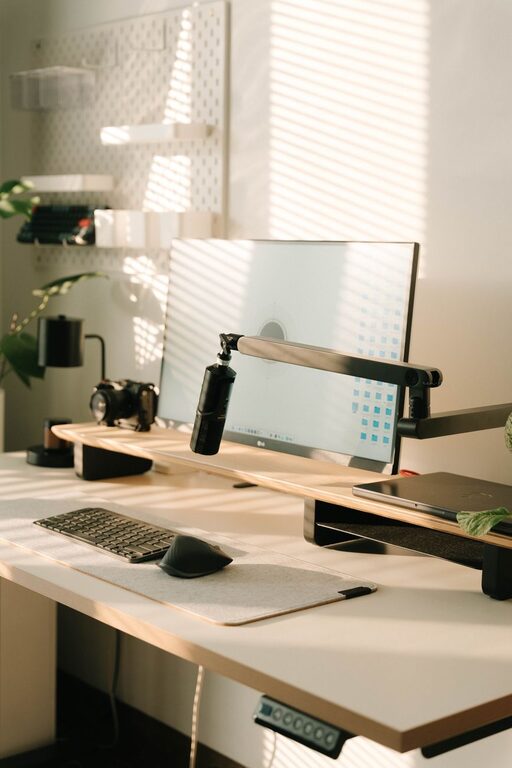
– Appropriate desk: Your desk should be at a comfortable height that allows you to work without straining your shoulders or wrists.
– Consider adjustable options: Sit-stand desks or adjustable chairs can provide flexibility and promote movement during the day.
Optimize Lighting
Good lighting reduces eye strain and keeps you alert.
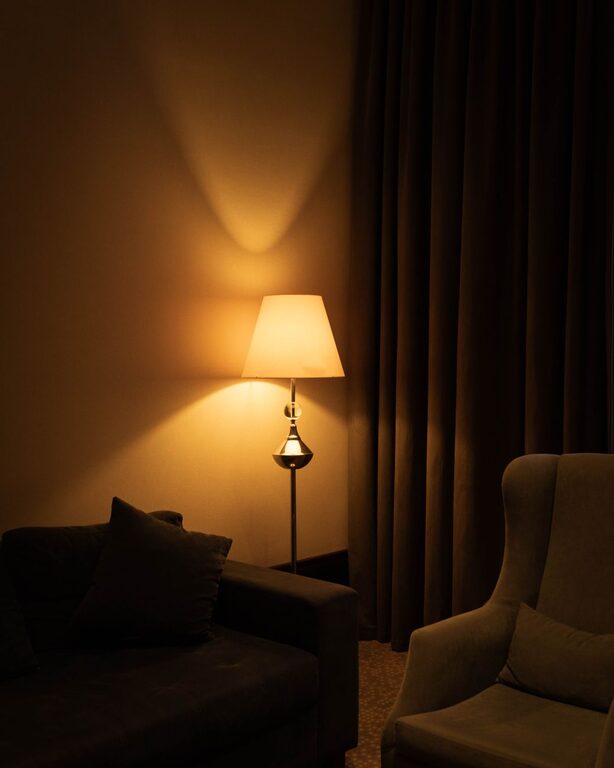
– Use a mix of lighting: Combine natural light with task lighting like desk lamps for focused illumination.
– Position lights carefully: Avoid glare on your computer screen by placing lamps to the side.
– Choose the right bulbs: Soft white or daylight bulbs create a warm and inviting atmosphere without harshness.
Organize Your Space for Efficiency
An organized workspace helps reduce distractions and streamline your workflow.
– Declutter regularly: Keep only essential items on your desk to maintain a clean environment.
– Use storage solutions: Drawers, shelves, and organizers can keep supplies and documents neatly stored.
– Arrange your tools: Place frequently used items within easy reach to save time.
Add Personal Touches
Injecting personality into your office can make your space more inviting and enjoyable.
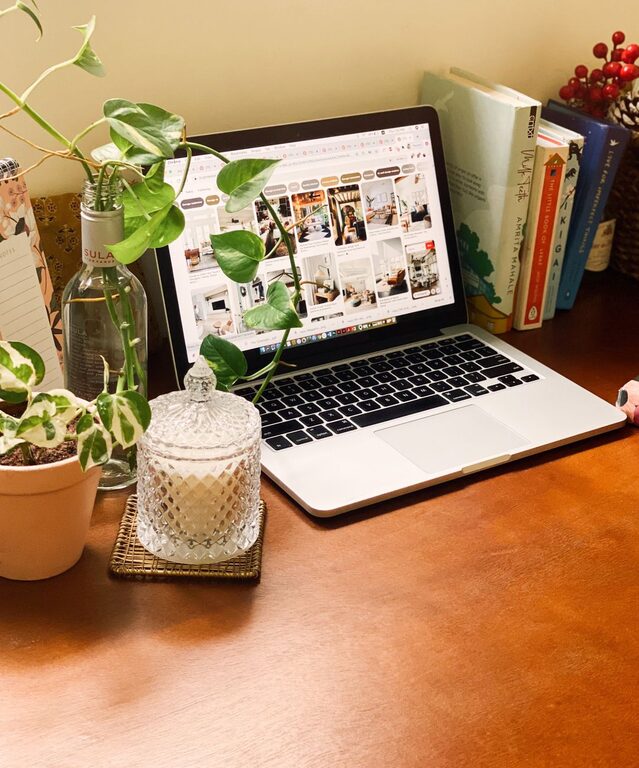
– Incorporate greenery: Plants improve air quality and add a calming vibe.
– Display meaningful decor: Photos, artwork, or motivational quotes can inspire and uplift.
– Use cozy textiles: A soft rug or throw blanket adds warmth and softness to your setup.
Minimize Distractions
Staying focused in a home environment can be challenging. Take steps to reduce interruptions.
– Set clear boundaries: Communicate your work hours with family or roommates.
– Use noise control: Noise-canceling headphones or white noise machines help block background sounds.
– Limit digital distractions: Turn off non-essential notifications and consider apps that help manage screen time.
Incorporate Technology Wisely
Technology supports productivity but must be set up thoughtfully.
– Reliable internet: Ensure your connection is strong enough for video calls and file sharing.
– Efficient gadgets: Use accessories like wireless keyboards, a good headset, or extra monitors to improve workflow.
– Cable management: Use clips or sleeves to keep cords organized and prevent clutter.
Prioritize Comfort and Well-being
Your physical and mental well-being are just as important as productivity.
– Take regular breaks: Step away from your desk every hour to stretch or walk.
– Keep hydration nearby: Have water at hand to stay refreshed.
– Maintain good posture: Check your seating position regularly to avoid discomfort.
Create Zones Within Your Space
If your office area allows, separate different activities for better focus.
– Work zone: Dedicated to your computer, phone, and primary tasks.
– Reading or brainstorming zone: A comfortable chair or small table for thinking and note-taking.
– Storage zone: Where supplies and files are kept.
Keep It Flexible
Your needs may change over time. Design your office to adapt.
– Furniture on wheels: Allows easy rearrangement.
– Modular storage: Shelves and boxes that can be shifted or expanded.
– Adjust lighting and decor: Update elements to refresh the space periodically.
—
Designing a cozy and productive home office doesn’t require a large budget or complicated renovations. Thoughtful planning, comfortable furniture, and personalized touches can transform any space into an enjoyable place to work. By creating an environment that supports focus and well-being, you’ll not only get more done but also enjoy your time at work more. Start with small changes, and gradually build an office space that feels just right for you.